
The Story Moulin Rouge Our Mission Visit Support Book a Tour
1001 F Street · Historic Westside · Las Vegas

The house that took them in.

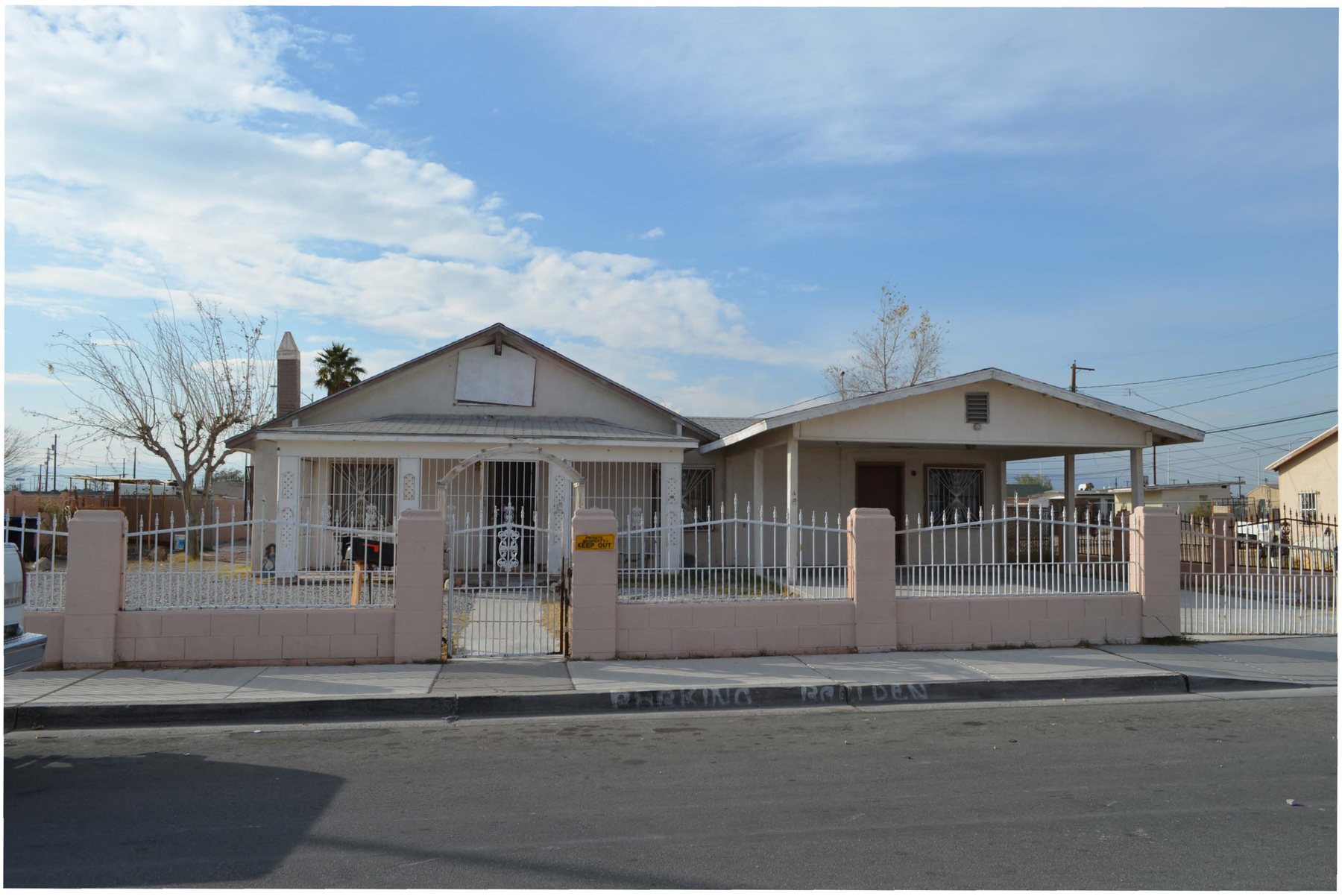
When the Strip put Nat King Cole on the marquee but wouldn't rent him a room, Harrison House did. Built in 1942, it's the last Green Book guest house still standing in Las Vegas, and we're keeping it that way.

Est. 1942Genevieve Harrison
2016National Register of Historic Places
Green BookDocumented safe haven
501(c)(3)Nonprofit museum
Their story
The Story

A room, when the city said no.

In 1942, Genevieve Harrison came from Texas to a booming wartime Las Vegas and opened a boarding house on F Street. The Strip was building its legend on Black talent, then turning that same talent away at the door. Performers finished their sets, then crossed town to the Westside to find a bed.

Harrison House gave them that bed. Listed in the Negro Motorist Green Book, the travel guide that told Black families where they'd be safe, it became a refuge for entertainers and working people alike through the hardest years of segregation.

"They could fill the showroom, but they couldn't sleep there. So they slept here."

Genevieve ran the house until she died in 1957; her sister kept it going to 1960. Today it stands as the only known guest house of its kind left in Las Vegas. Quite possibly in all of Nevada.

Nat King Cole Pearl Bailey Sammy Davis Jr.
Archival
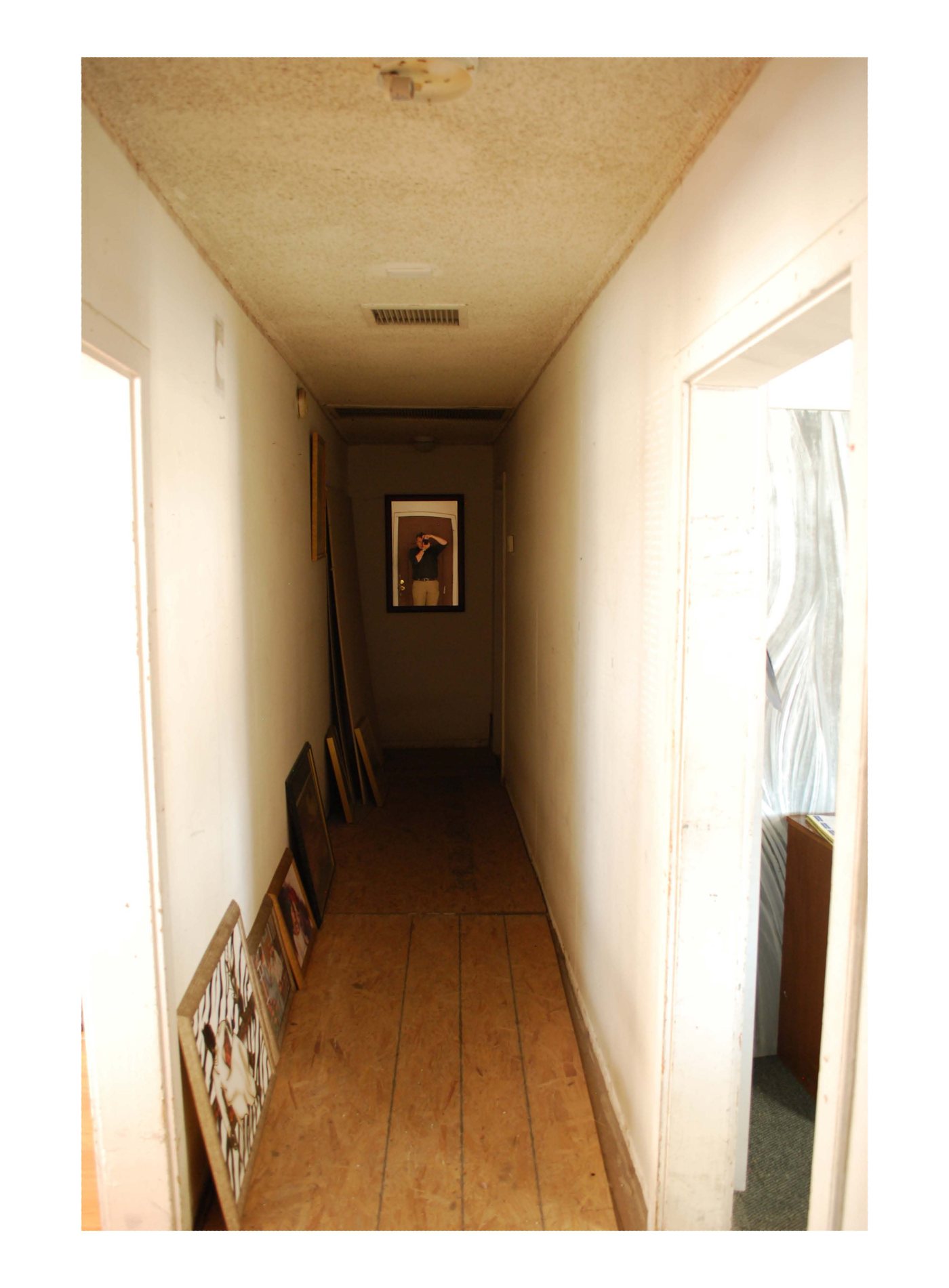
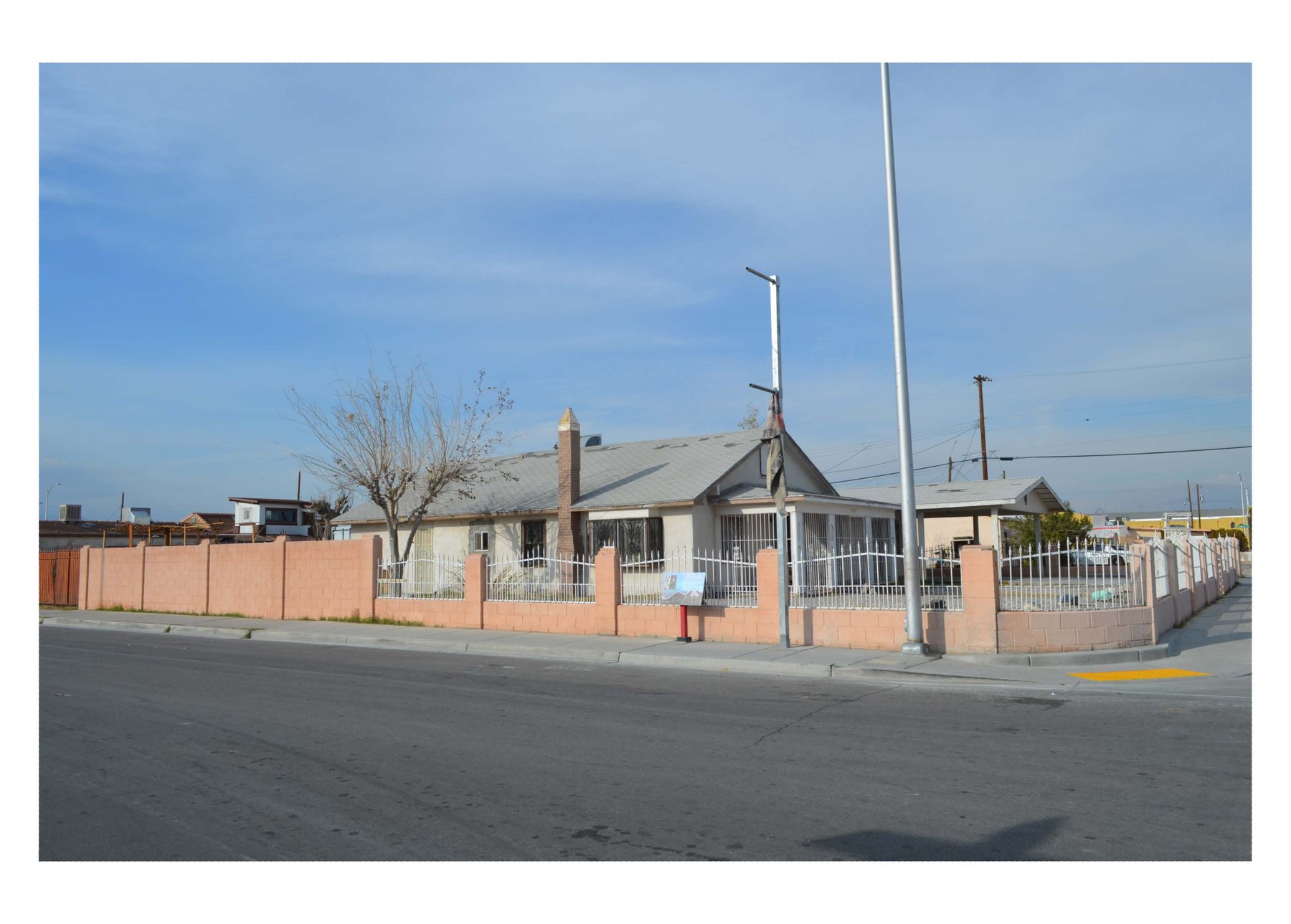
Harrison House, 1001 F Street Add archival / current photo
A Landmark's Life

Eight decades on F Street

1942

The house opens

Genevieve Harrison builds a boarding house to shelter wartime laborers and the Black entertainers Las Vegas would clap for but would not house.

1955

The Moulin Rouge era

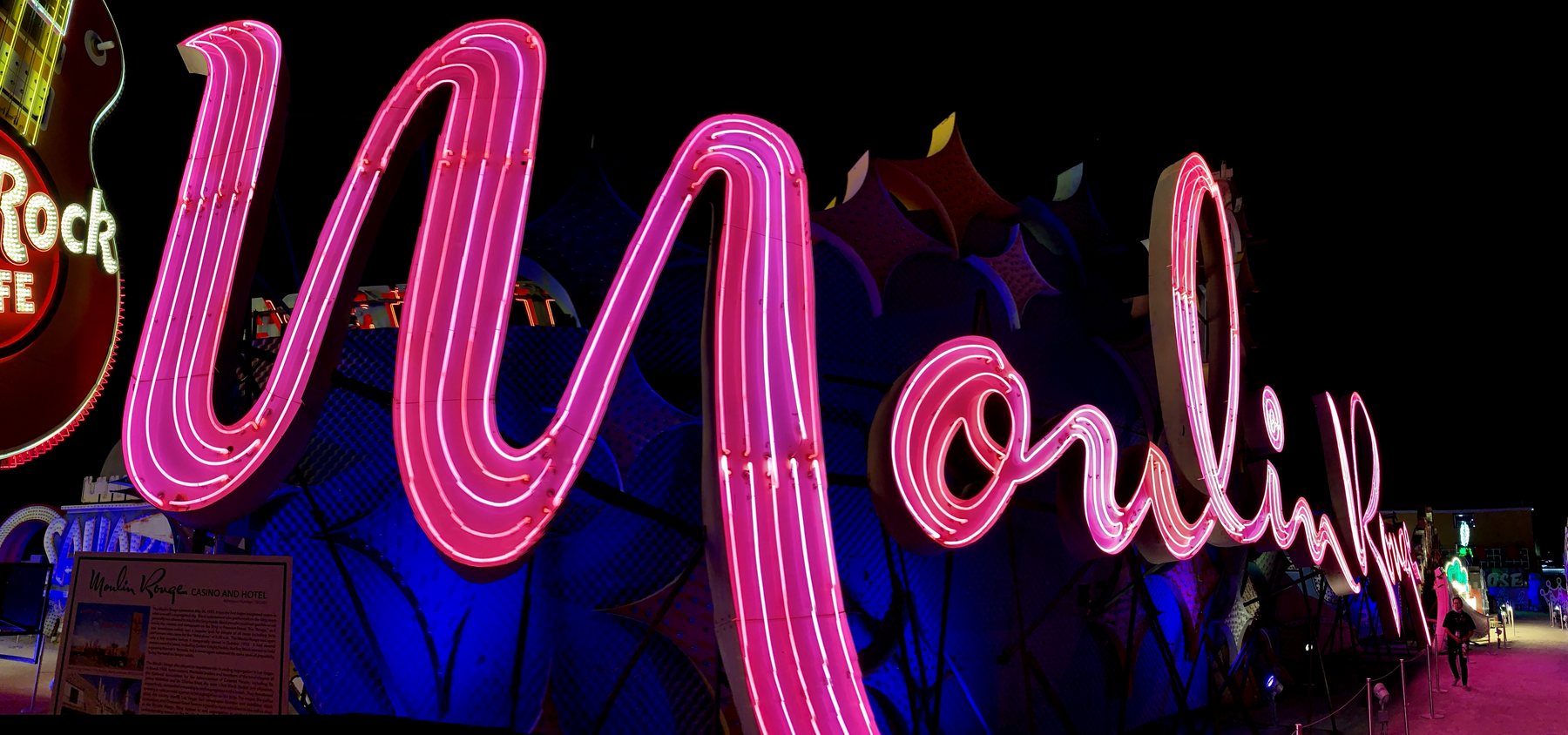
The Moulin Rouge opens as the nation's first integrated hotel-casino. The Westside is alive, a community with everything it needs inside its own borders.

1960

The agreement that changed Las Vegas

The Moulin Rouge Agreement is signed, ending segregation at Strip resorts. The house's era as a refuge winds down as the doors it stood in for finally open.

2016

National Register of Historic Places

Harrison's Guest House is formally recognized as a site of national significance, the last of its kind in the city.

Today

A museum, and a beginning

Restored as a 501(c)(3) museum, Harrison House preserves the story and anchors a new chapter for the Historic Westside.

March 26, 1960
Moulin Nights at Harrison House Add event photo
A Civil Rights Milestone

The night the front doors opened.

On March 26, 1960, government, business, law enforcement, media, and community leaders signed the Moulin Rouge Agreement and ended segregation at the Las Vegas Strip's resorts. It is one of the most important moments in the city's history, and it happened steps from this porch.

Every spring, Harrison House hosts a commemoration of that day. Proof, in Katie Duncan-Reed's words, that "meaningful change can occur when government, business, law enforcement, media and community leaders work together in good faith."

The backyard fills for Moulin Nights, with music, memory, and neighbors, keeping the story exactly where it belongs: alive.

Our Mission

Preserving the past. Protecting the future.

Harrison House is more than a museum. It's the anchor of a revitalized Historic Westside, built on four pillars that turn heritage into opportunity.

Cultural programming

Tours, exhibits, and events that put the Green Book era and the Westside's living history in front of new generations.

Youth music & acting

Programs that hand the next generation the same stage their elders fought to stand on: performance, mentorship, craft.

Historical media

Film, oral history, and archives that record the people who lived this story before those memories are lost.

Community events

Moulin Nights, commemorations, and gatherings that bring the neighborhood back to its own front yard.

On a path to become Nevada's first LEED-certified historic home

Preservation and sustainability are the same fight here. The goal is to honor a 1940s landmark while making it a model of green restoration. Proof that protecting the past and building a cleaner future belong under one roof.

Plan Your Visit

Stand where they stood.

Call to book
Tours
By appointment · individual, group & school

Walking through Harrison House takes about an hour. Group and school visits are welcome. Tell us what you're hoping to see and we'll build the visit around it.

Book a tour or get involved

Tours, volunteering, donations, press: start here and we'll be in touch.

We read every note. Prefer to talk? Call (702) 850-0249.

Keep It Standing

It survived segregation. Help it survive time.

Harrison House is preserved entirely by people who believe this story is worth keeping. Every gift goes straight into the house, its programs, and the Westside it anchors.

Donate

A one-time or recurring gift to the 501(c)(3) keeps the lights on, the doors open, and the restoration moving toward LEED certification.

Give Now

Sponsor a Brick

Put your name, or honor someone's, into the house itself. A sponsored brick is a permanent place in a landmark that outlived the system it stood against.

Sponsor a Brick

Volunteer

Give tours, help at events, record oral histories, lend a trade. The house runs on neighbors who show up.

Lend a Hand
The Bigger Picture

A landmark is just the start.

The Historic Westside once held everything it needed inside its own borders. Harrison House is the cornerstone of bringing that back: heritage tourism, jobs, youth programs, and green development that lifts the neighborhood instead of erasing it.

Done right, preservation isn't about freezing the past. It's about giving a community a future that still looks like itself.

Katherine "Katie" Duncan-Reed
Steward of Harrison House · Founder & President, Ward 5 Chamber of Commerce
The Westside
Katie & Harrison House Add portrait / neighborhood photo
In the Press

The story keeps getting told

Good to Know

Questions, answered

Harrison House is a 1942 boarding house at 1001 F Street on the Historic Westside of Las Vegas. During segregation it was listed in the Negro Motorist Green Book and gave Black entertainers and travelers a place to stay when Strip hotels turned them away. It's the last known guest house of its kind standing in Las Vegas, was listed on the National Register of Historic Places in 2016, and today operates as a museum and 501(c)(3) nonprofit.

Yes. We offer guided tours of the home and its history: individual, group, and school visits. Use the form above or call (702) 850-0249 to book. A typical tour runs about an hour.

Entertainers who performed on the Strip but were barred from its hotels stayed in Westside boarding houses like this one. Guests connected to this era include Nat King Cole, Pearl Bailey, and Sammy Davis Jr.

The Negro Motorist Green Book was a travel guide published from 1936 to 1966 that listed hotels, restaurants, and boarding houses where Black travelers would be safely served during Jim Crow segregation. Harrison House was one of those safe places in Las Vegas.

Donate to the 501(c)(3), sponsor a commemorative brick, book a tour, volunteer, or simply share the story. Every gift goes toward preserving the home and its mission to become Nevada's first LEED-certified historic house.

1001 F Street, Las Vegas, NV 89106, in the Historic Westside, near the original Moulin Rouge site.

Some places you read about. This one you can still walk into.

Come stand in the rooms that said yes when the rest of the city said no, and help make sure they're still here for the next generation.